Yesterday, Emily and I opened our mailbox to discover what appeared to be a nice handwritten card. It didn’t include a return address or contact info, but it had a nice squiggly font in blue ink. Who sends handwritten cards anymore?! I eagerly opened the card to discover a piece of yellow notepad paper folded up and containing more of the same blue handwriting. Inside of the folded paper was a single business card for a non-local business that sends us many, many, many suspicious looking mailers, or ads. Unfortunately for this company, their attempt to appear genuine and authentic has had the result of appearing scammy and losing any amount of trust I might have had in them. If they’re willing to fake our first point of contact, how much of their actual work are they willing to fake as well? Do they cut corners and profit off the difference?
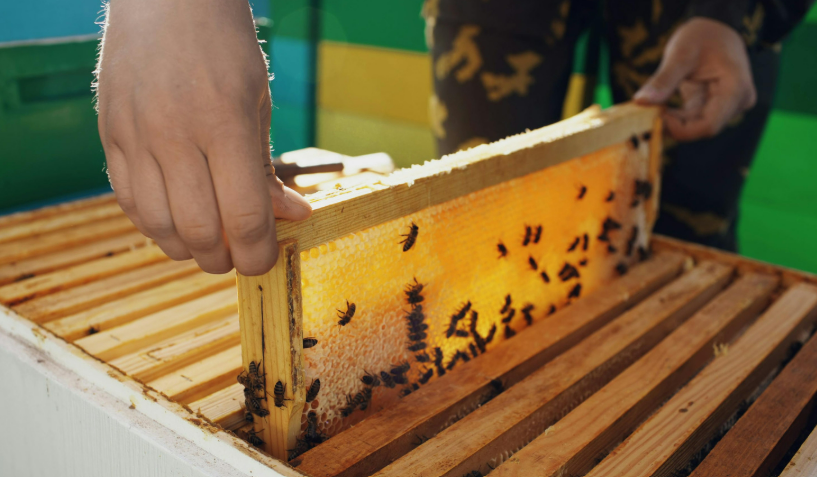
Honey is one of the most accessible foods in the world, because it doesn’t “expire” and is easily transported and stored. It also has a relatively simple composition of ingredients, making it a frequent target of fraud in the global supply chain because it is also one of the easiest to disguise.
In November of 2024, industry judges at the World Beekeeping Awards (yes, that’s a real thing!) could no longer properly distinguish authentic honey from fraudulent products. The competition has since been halted. It is a signal, a significant warning to consumers worldwide that their honey may not be 100% pure. It brings into question, do you know what is actually in your jar? Did you pay 700% markup for a simple sugar water that was thickened and colored?
Honey has a large price gap between raw natural honey and cheap imitations. This pricing gap creates a strong incentive to create fraudulent products. Honey is so vulnerable because it is made of mostly sugar, and boy, have we perfected 100 different variations of sugar! Fake versions of this product can be made to look and taste similar without any natural ingredients.
This issue isn’t limited to just honey…
The modern food system already uses a large variety of artificial sweeteners and other sugary substitutes. Honey, in particular, has been the target of blending products like syrups and other additives that remove any traceable details that would make its origin easy to identify. In most cases, fraudulent honey still looks like honey on the shelf. That’s why knowing your bee farmer is so important! And by extension, knowing your farmer and trusting the supply chain that got it to you. The more layers of supply chains, distributors, resellers, and brokers between you and your food creates a perverse incentive to replace the real food with fraudulent food and scrape the margin off the top.
The pervasive fraud with honey is a reminder that cheap pricing, pretty marketing, and shelf appearance do not guarantee authenticity or value. The standard food system would love to have you shop with your eyes, your nose, your impulses, and your taste buds, because they’ve taken out all the real food and replaced it with cheap alternatives that look real, taste real, and smell real. But instead, we should learn to shop with our brain, our heart, our stomach, and our network of those we know and trust. Does your food taste really good but only for a fleeting moment, until you feel bad shortly after? It might not actually be food then! Your food should feel nourishing for many hours, and the only way to trust it’s real is to know where and who it came from.
~ Tobin