Posted on Leave a comment

How Our Food Got This Way?

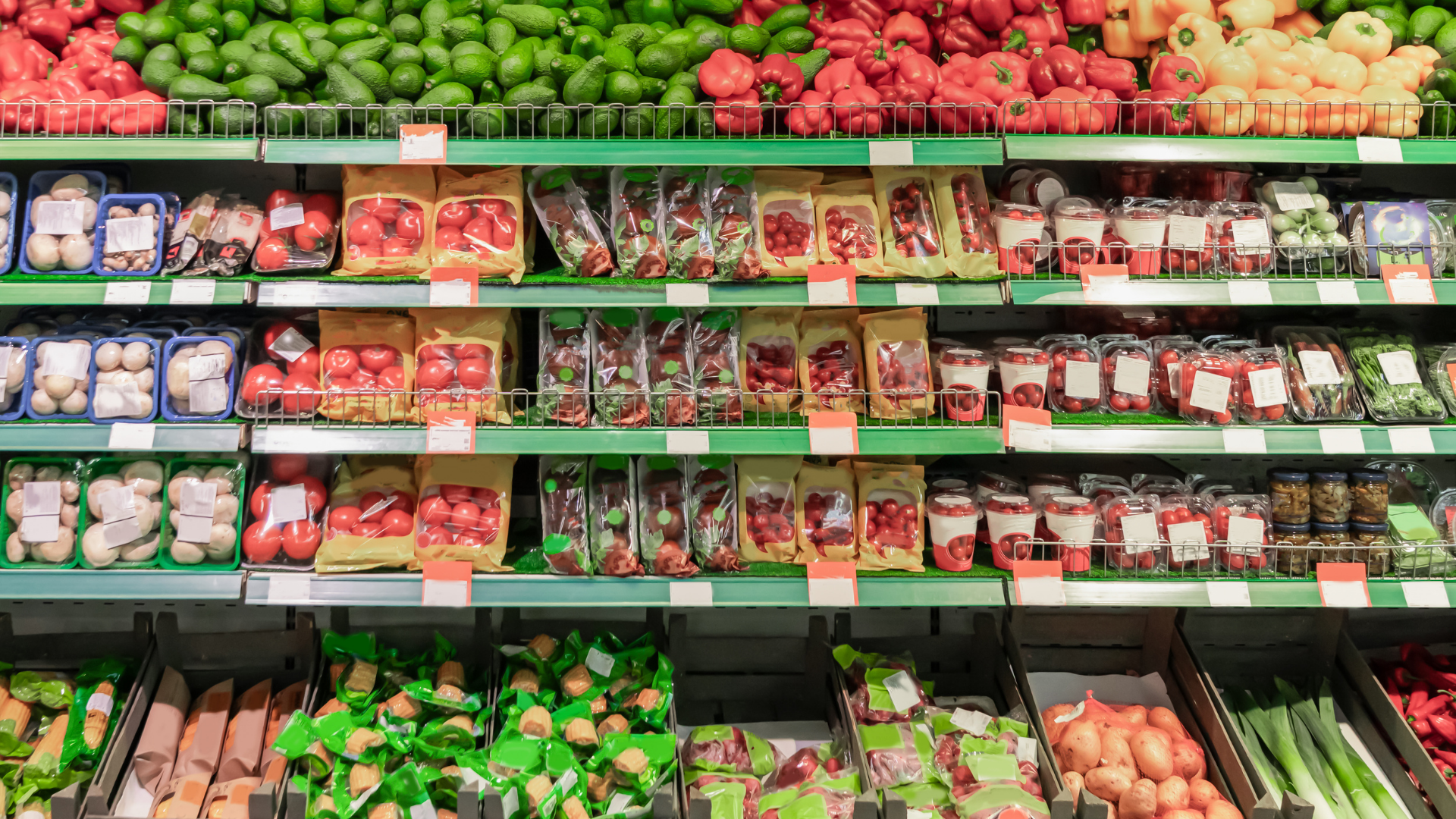
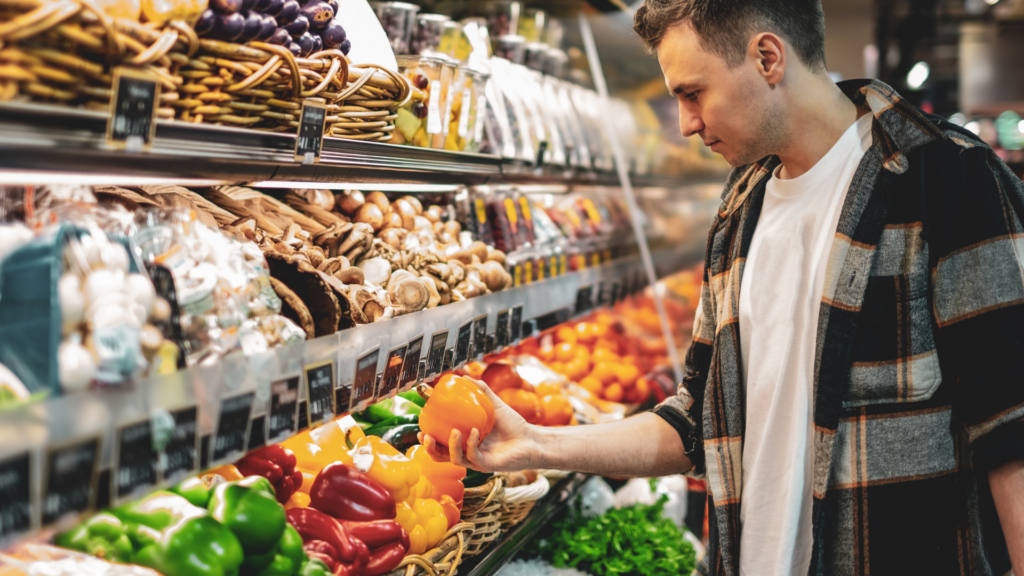
When walking through your average grocery store, it is clear to see that much of what we eat has been shaped by long supply chains, industrial farming, and ultra-processing. But for the average family looking for local organic produce in the Stanwood, WA area, it is becoming increasingly challenging to find fresh food.

The path from farm to aisle

In Washington, food used to be more local, seasonal, and recognizable, but it seems that over time our food system has shifted. Companies now prioritize shelf life, uniformity, and scale. It has made it easier to ship products much farther, store them longer, and sell more consistently. This shift has changed more than logistics; it has affected flavor, nutrition, and ingredients. As the distance grows between the average consumer and the farms that grow their food, so does the distance in the relationship.

Whether you live in Stanwood, Camano Island, or a surrounding community, our goal at Box of Good is to restore the relationship between you and your local food.

Why did the system change?

Our modern food system was built around efficiency.

Grocery stores, Manufacturers, and Distributors all benefit when food lasts longer, stores efficiently, and moves through a centralized supply chain. This efficiency comes at a cost to you. Products are made for durability and packaged for shelf life, leaving freshness in the past. Instead of focusing on the human standard, they focus on the industrial one. This is why more shoppers are beginning to look for fresh produce delivery in Stanwood, Camano Island, Whidbey Island, Mount Vernon, and surrounding Washington communities — and turning to farm-to-door delivery as a better option.

Distance takes so much from food.

The farther food travels, the more it loses in flavor and nutrients, declining to more complicated ingredients and, even more importantly, people’s trust. Many shoppers no longer know where their food came from, who grew it, or why it has changed so much. It is no longer about farm-to-table. That is why it is so important to preserve transparent local sourcing.

There is a better way forward.

Food should be simple… local… and honest. At Box of Good, that means connecting people like you directly with growers that produce real food. Fewer Unknowns, shorter supply chain, and food that tastes the way it should. This is about building a better food system for our community, not going backward. The current food system has become too complex and industrialized. The good news is that it can change. Every time you choose local, organic foods, you are reshaping the future of the food system.

Box of Good makes that choice easier for families across Island County, Skagit Valley, Snohomish County, and surrounding communities — delivering fresh, local groceries right to your door

Posted on Leave a comment

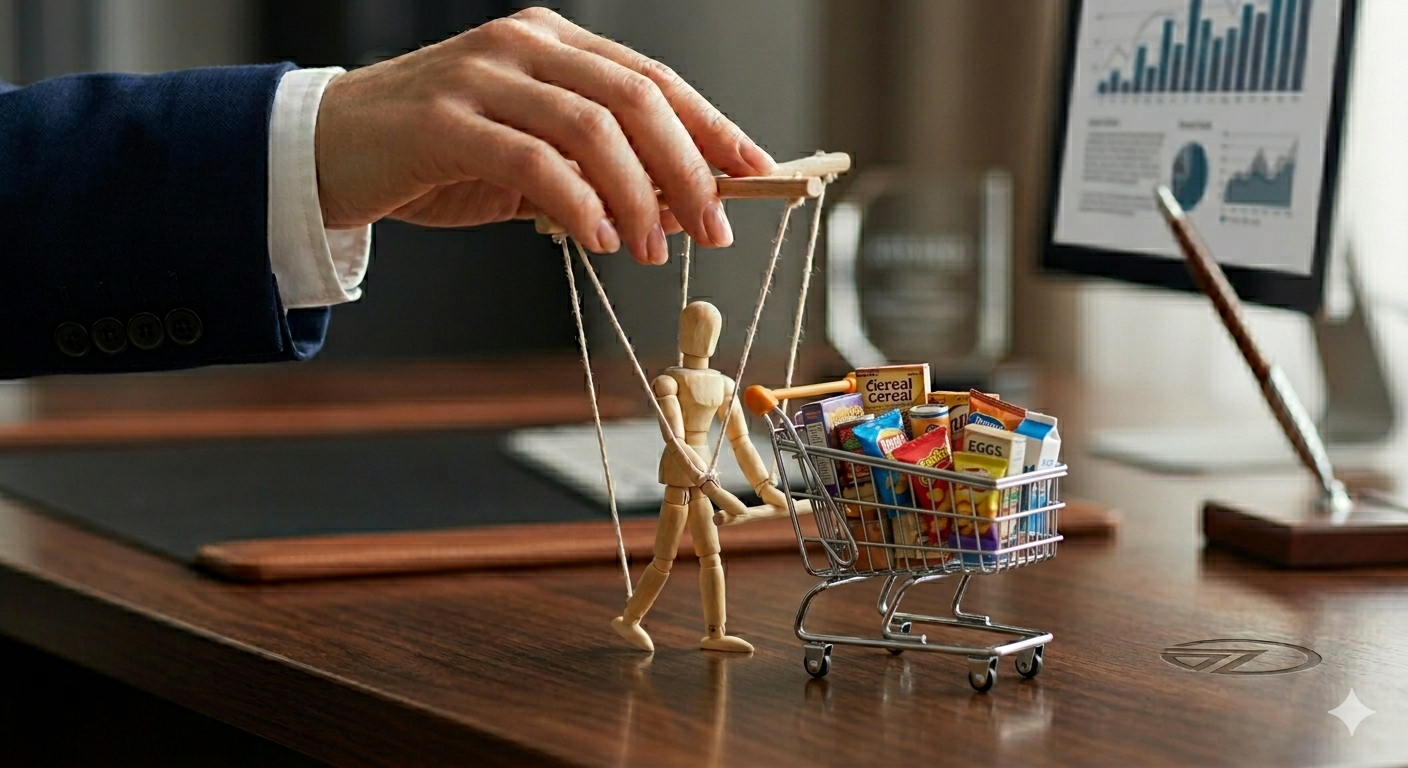
Who controls your food?

When walking down the grocery aisle, you may feel like you are choosing your next meal freely. As bright packages and familiar brands begin to fill your cart, you wonder where the illusion of variety came from. Most of what you buy still comes from the same food systems, and you realize that your cart full of a variety of brands doesn’t mean it’s full of fresh food.

The items in your cart were shaped long ago, simply processed and distributed. By the time they reach your table, they have been through so much processing that they are unrecognizable from the ingredients on the back of the box. One walk through the store is all you need to see products with health claims and seemingly farm-fresh labels that say very little about who actually produced the item. The food may look normal, but the system behind it is anything but.

The Great Illusion of Choice

A shelf full of brand variety doesn’t mean a healthy food system. Few large companies control what gets planted, processed, and sold in most grocery stores, giving you the illusion that there is a variety of choices. That’s what makes this system so easy to miss. From the outside, it seems there is an abundance of food sourcing options, while the narrow reality inside the store is contradictory.

What Gets Lost Along the Way

When foods move too far from the people who produce them, it is no longer a relationship, and it becomes a commodity. The farmer’s story becomes corporate. The ingredients become optimized for profit margins, and sadly, the consumer gets a less healthy option thousands of miles from the source and a long time from when it was grown.

This isn’t just a variety problem. A food system that relies on a few channels to provide supply leaves communities with generic foods with the same unpronounceable ingredient list, just reconfigured and with a variety of shiny packages.

Why Local Matters

Let’s think about food differently. Local means shorter supply chains and direct relationships with the producer. It also means less need to keep the food preserved for months or years and thus eliminates the need for excessive use of additives. This consumer-business relationship brings accountability back into the equation. It also supports the people who are doing the work.

If a system can hide behind branding while paying farmers less and adding unhealthy, unnecessary ingredients, then it isn’t serving your community; it is serving itself. So ask questions. Who grew it? How far did it travel? Who benefits when you buy it? And what kind of food system are you helping keep alive every time you shop?

Food should be honest. It should be close enough to trust, simple enough to understand, and real enough to matter.

Posted on Leave a comment

Follow The Honey

Yesterday, Emily and I opened our mailbox to discover what appeared to be a nice handwritten card. It didn’t include a return address or contact info, but it had a nice squiggly font in blue ink. Who sends handwritten cards anymore?! I eagerly opened the card to discover a piece of yellow notepad paper folded up and containing more of the same blue handwriting. Inside of the folded paper was a single business card for a non-local business that sends us many, many, many suspicious looking mailers, or ads. Unfortunately for this company, their attempt to appear genuine and authentic has had the result of appearing scammy and losing any amount of trust I might have had in them. If they’re willing to fake our first point of contact, how much of their actual work are they willing to fake as well? Do they cut corners and profit off the difference?

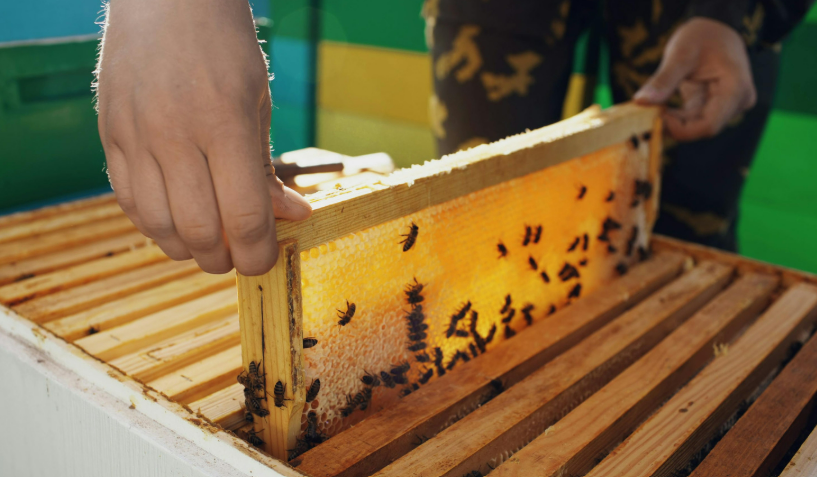
Honey is one of the most accessible foods in the world, because it doesn’t “expire” and is easily transported and stored. It also has a relatively simple composition of ingredients, making it a frequent target of fraud in the global supply chain because it is also one of the easiest to disguise.

In November of 2024, industry judges at the World Beekeeping Awards (yes, that’s a real thing!) could no longer properly distinguish authentic honey from fraudulent products. The competition has since been halted. It is a signal, a significant warning to consumers worldwide that their honey may not be 100% pure. It brings into question, do you know what is actually in your jar? Did you pay 700% markup for a simple sugar water that was thickened and colored?

Honey has a large price gap between raw natural honey and cheap imitations. This pricing gap creates a strong incentive to create fraudulent products.  Honey is so vulnerable because it is made of mostly sugar, and boy, have we perfected 100 different variations of sugar! Fake versions of this product can be made to look and taste similar without any natural ingredients.

This issue isn’t limited to just honey…

The modern food system already uses a large variety of artificial sweeteners and other sugary substitutes. Honey, in particular, has been the target of blending products like syrups and other additives that remove any traceable details that would make its origin easy to identify. In most cases, fraudulent honey still looks like honey on the shelf. That’s why knowing your bee farmer is so important! And by extension, knowing your farmer and trusting the supply chain that got it to you. The more layers of supply chains, distributors, resellers, and brokers between you and your food creates a perverse incentive to replace the real food with fraudulent food and scrape the margin off the top.

The pervasive fraud with honey is a reminder that cheap pricing, pretty marketing, and shelf appearance do not guarantee authenticity or value. The standard food system would love to have you shop with your eyes, your nose, your impulses, and your taste buds, because they’ve taken out all the real food and replaced it with cheap alternatives that look real, taste real, and smell real. But instead, we should learn to shop with our brain, our heart, our stomach, and our network of those we know and trust. Does your food taste really good but only for a fleeting moment, until you feel bad shortly after? It might not actually be food then! Your food should feel nourishing for many hours, and the only way to trust it’s real is to know where and who it came from.

~ Tobin

Posted on Leave a comment

Let us consider the not-so-hidden-costs of Big Food

We have received many calls, emails, and walk-ins this last week with questions, concerns, and feedback regarding the latest national recall of iceberg lettuce. If you’ve managed to avoid every news outlet for the last couple weeks (lucky you!), then just search for “Iceberg Lettuce” and your search engine of choice will happily get you up to date. The numbers alone for this event are staggering.  

By the Numbers
1,947 people were confirmed infected by the CDC across 9 states. Distribution was across 27 states spanning the width of the country. 35 product lines containing lettuce across 9 different brands. 2 primary buyers of these product lines, namely Walmart and Taco Bell. 1 “farm” in Central Mexico supplying 27 states with one of the most fragile and susceptible food products. The parent company, Taylor Farms, is based in California, which makes this whole ordeal equivalent to buying cheap plastic toys from overseas. Interestingly, the label on their bags of iceberg lettuce say “fresh from the field”, which is, of course, impossible for 1 farm to do across 27 states, from another country. There’s a reason we don’t offer iceberg lettuce at Box of Good!  

FDA Recalls
Unfortunately, all the excitement around that lettuce recall drowned out another recall last week for 19 million eggs across 5 states, from 2 “farms”. Of course, when an outfit produces nearly 10 million eggs in 1 month, it’s more like a factory and less like a farm. A lettuce company growing greens for 27 states is a machine, not a farm. Another recall happened shortly before that, for 180,000 cans of lentil soup. Before that, there was a recall for breakfast burritos labeled “vegetarian”, which contained sausage. Before that, Peter Rabbit fruit pouches for kids were recalled for having plastic in the finished product. And this is just the last week! Fortunately, or shockingly, the FDA publishes a list of every product recall on their website, and a recall is issued roughly once per day on average. Let that sink in. Imagine if you were friends with the FDA on Facebook and you got those updates every day? Would you unfriend them? Or opt-out and eat differently? Most recalls are related to salmonella, listeria, E.coli, nut contamination, or plastic/metal in food.  

Avoid the Recalls 
We spend a lot of time at Box of Good preaching about the advantages of local food, and how one simple choice has a cascading effect on all sorts of other connected systems. Eating local results in: better health. More nutrients. Less pesticides. Less plastic. Less preservatives. More seasonality. Less transportation, storage, refrigeration, warehousing. Less brokers and markup. More flavor. Less pollution. Less processing. Fewer pills, surgeries, medical issues. Less time navigating parking lots and sitting in traffic. Less waste. Less time waiting in lines. But you know what almost never happens with local food? Recalls. Why is that?  
 
Eat
The systemic conditions that produce recalls are incompatible with local food, since recalls are directly related to 1) food from far away, 2) food from long ago, or 3) food from people you don’t know. This is not our first rodeo with food recalls, and our quick answer to anyone that asks if our food is part of a recall is, “Local food, by nature, is nearly always exempt from national recalls.” 

Eat local, eat whole, and you’ll eat safe!

Posted on Leave a comment

Local Whole Foods = Health Benefits

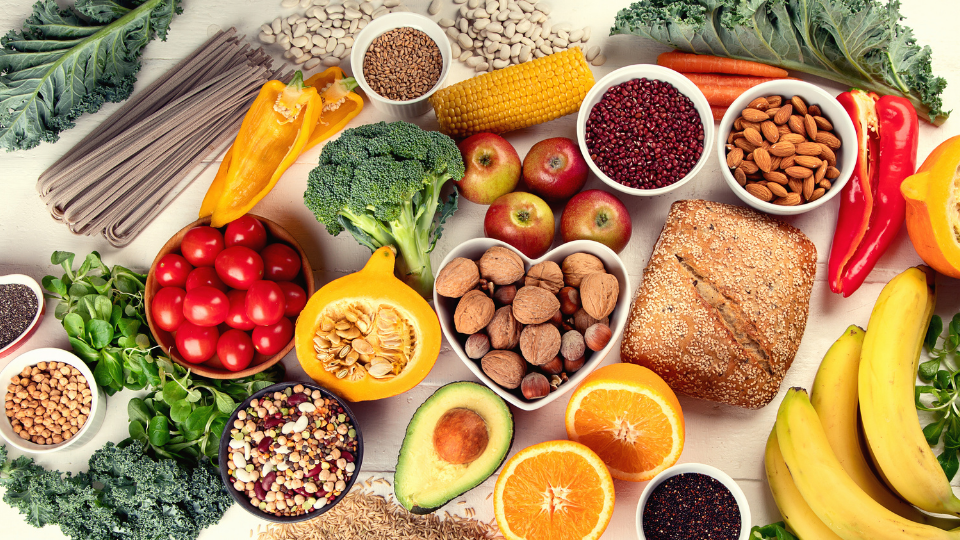
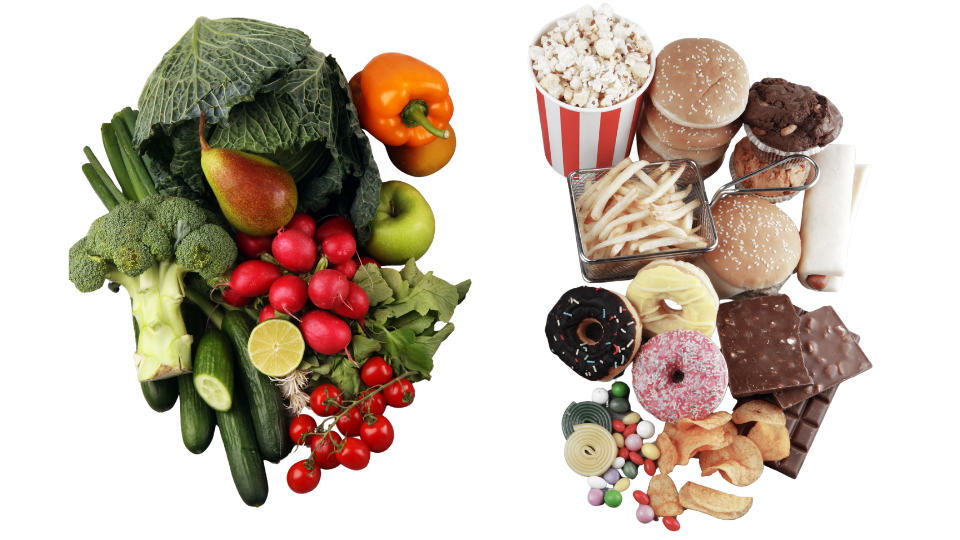
When people think of “whole foods,” they often imagine fruits and vegetables, but these nutrient-dense foods are so much more. Whole foods are foods that are as close to their natural state as possible, with little to no modification.

Choosing whole foods is about selecting fresh, minimally processed items packed with the nutrients your body needs.

What Whole Foods Means

Whole foods include foods that aren’t heavily refined or stripped down. Think apples, nuts, whole grains like oats, and fresh vegetables. The defining factor is that whole foods are not factory products. They are products of nature.

Health Benefits

One of the biggest benefits of eating whole foods daily is their nutrient density. Since these foods are less processed, they deliver more nutrition per calorie than processed foods.

Whole vs. Processed:

  • Apple vs. Apple Juice: A whole apple has 4g of fiber; juice has almost none.
  • Oats vs. Sugary Cereal: Oats have natural fiber; cereal adds empty sugar.
  • Potato vs. Instant Mashed: Potato has vitamins; instant has additives and fewer nutrients.
  • Chicken vs. Chicken Nuggets: Whole chicken has protein; nuggets have fillers and fats.

Whole foods offer superior nutritional value from:

  • Vitamins
  • Minerals
  • Antioxidants
  • Fiber

Fiber-rich whole foods help promote fullness and are more satisfying to eat than ultra-processed snacks. It is also easier to manage portions, so you leave meals feeling more satisfied.

Why Local Matters

Whole foods are at their best when they are fresh and local. At Box of Good, our products are delivered quickly from farms and partners to your doorstep, preserving their flavor and nutritional value. Local foods also give you confidence in knowing where your food comes from and what you are feeding your family.

As the seasons change, local foods change and evolve, offering you a rotating mix of produce that naturally broadens your diet and keeps meal planning interesting.

Easy Ways to Eat More

You do not need a perfect diet to enjoy the benefits of whole foods. Begin by incorporating simple foods into your daily meals. If you have trouble filling your cart with healthier options, shop the perimeter at the grocery store.

Or get your local produce delivered straight to your door with Box of Good.

Whole foods are a practical way to support energy, digestion, and long-term wellness. Start with one whole food today — your body will thank you.

Posted on Leave a comment

Stanwood Camano Local Products: Organic Box of Good Exclusives

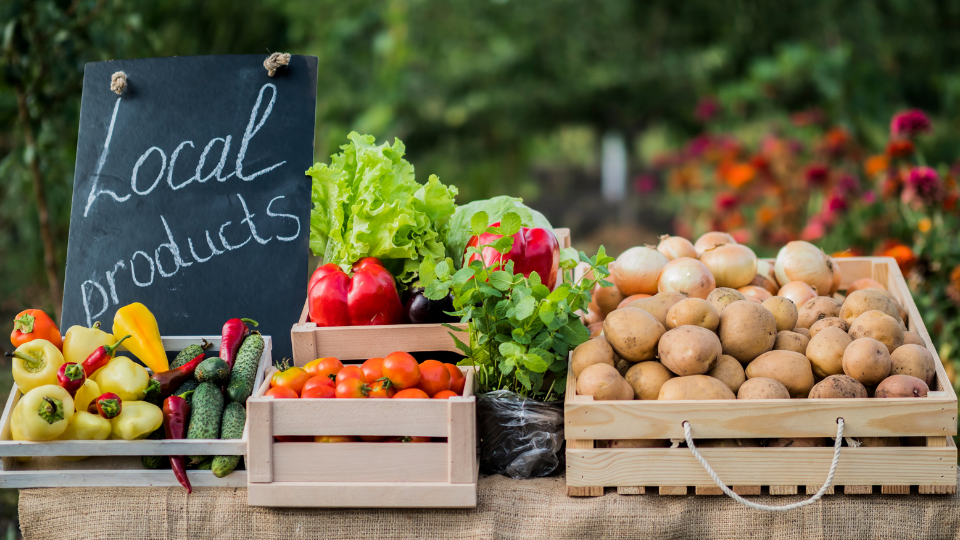
Looking for Skagit Valley produce delivery straight to your door? Families in Stanwood and Camano have been finding organic groceries through Box of Good.

Whether it’s non-GMO staples or seasonal harvest items, you can shop local and eat well without the grocery store hassle.

Choose delivery boxes filled with fresh greens or everyday pantry items to make your meals fresher and healthier by ordering from nearby producers focused on organic, seasonal selections with flexible shopping options.

Here is why locals are choosing Box of Good

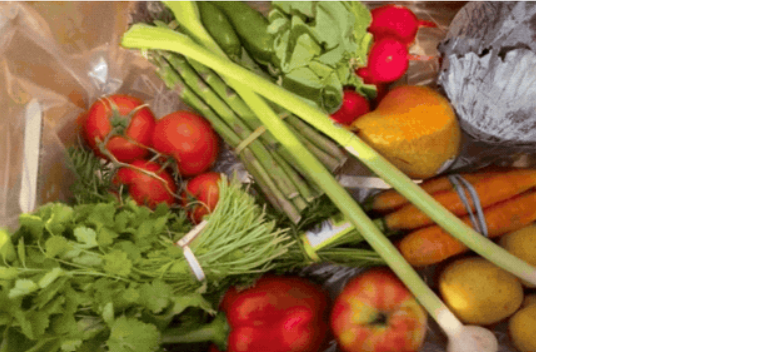
At Box of Good, local partnerships provide fresh, hand-selected farm goods and make it easy to shop in one place. The bundles are built around convenience and quality, offering fruits, vegetables, pantry staples, and more.

That means you aren’t just buying fresh food—you are choosing a better way to bring it home.

What shopping actually looks like

Most people don’t think much about how they buy food. They go to the store, follow the same routine, and grab what they usually get.

It’s not hard to find groceries. The challenge is finding nearby, high-quality items that still feel real.

Instead of walking the aisles, you’re ordering produce grown in season. Greens that haven’t traveled across the country and key staples that actually support real meals.

A better way to fill your cart

Most people aren’t looking for more options—they are looking for something that works. At Box of Good, your cart begins to shift.

You have:
• More fresh produce
• More whole ingredients
• Less packaged food sitting on shelves

The best part is that with Box of Good, you don’t have to overthink it. You can start with a delivery box, add your favorites, and build from there.

This small shift changes how you cook, how you plan meals, and how you feel about what you are eating.

Stanwood Camano Favorites

Families in Stanwood and Camano often start with:
Fresh greens
Seasonal harvest boxes
• Weekly deliveries
Pantry staples and everyday groceries

It’s not about buying everything at once—start with one.

Local Food Without the Extra Effort

It’s simple to get fresh groceries without driving from store to store, and eating local doesn’t have to be complicated.

You do not need a perfect plan.
You don’t need to change everything overnight.

Start with one box. Add what you need. Build from there.

Ready to Order

For families in Skagit, Snohomish and Island counties, Box of Good offers a practical way to keep local food on the table all week long.

Start your first Box of Good delivery today.

Posted on Leave a comment

Bigness Begats Badness

        At Box of Good, we utilize two different banking institutions for all our bookkeeping needs. Last week, Emily tried to log into our US Bank account and was shown a notice that her account had been locked. Strange. Nothing changed, and we’d just used that account yesterday. So, she called customer service and, as you can imagine, getting a hold of someone at a firm the size of US Bank can take a while, and getting hold of someone who can diagnose and fix the problem is another matter entirely. She makes the call anyway and goes through the entire verification process with account numbers, two-factor codes, and other authentication methods, and then waits on hold for an hour and 15 minutes, getting transferred between 4 different agents. The result of that interaction? They couldn’t figure out why the account had been locked, and they also couldn’t unlock it. Their solution? We needed to go to a US Bank branch in-person and start the process all over again.

        Emily arrived at the branch the next day and started the verification process again, which included the bank teller having to call the same customer service line that Emily was on the day before. After getting transferred a couple more times, they deduce that both the teller and the remote agent, also, are still not able unlock the account, nor figure out why it was locked in the first place. Around….and around… Eventually, the remote agent admitted that not only was it not required to visit the branch in-person to solve this, it also wasn’t even required to get customer service to help at all. The actual fix was to have Emily create a new login and it will automatically assign it to our account when it verifies her identity. What a fiasco. But that’s what we get for bigness. How many of us have lived this nightmare, trying to get help from any massive institution? They’re far away, complicated, out of context, unhelpful, disorganized. No problem-solving, just problem-punting.

        Meanwhile, we have a branch for Coastal Bank nearby, within 2 minutes. I can walk in, go right to the counter because there’s never a line, and I don’t have to prove who I am in any way, shape, or form. I am greeted, by name, by the same two people each time. No 2-factor code required, no driver’s license or bank card or PIN number. My mere existence in their building proves who I am, and that is enough.

        While you may be thinking this is an ad for Coastal and not US Bank, I assure you it is not; in fact, it is far more important than that! When any institution grows larger, there is an increasing need to present the idea of trust, rather than the actual thing called trust. This shows up in various ways, typically by creating logos, taglines, certifications, and other stand-ins for the void where actual trust lived when things were approachable, local, and visible. The larger the institution, the more that institution retains the benefits of efficiency and automation, while offloading the costs to the consumers: namely, the cost of proving who I am; the cost of sitting on hold; the cost of memorizing 9 different pieces of information. You see this everywhere once you notice the pattern. Pay attention to all the ways that large entities create abstractions for trust that are more efficient for them, and more costly for you. US Bank is too large to trust any one person, so it has layers and layers of verifications, PIN codes, scans of photo IDs, automated phone trees, AI chatbots, SMS codes; all as a stand-in for trust. Meanwhile, just by walking into Coastal Bank, I am trusted, welcomed, and served.

        A simple example is the expiration dates printed on our foods. Manufacturers make thousands of products per hour on extruders and conveyor belts and slap an expiration date on it (which is mostly guesswork and estimations, apart from fresh dairy). Just pad the dates a bit for a “liability buffer”, and it’s set! But it’s your responsibility to check those in the store, and to keep track at home. It’s your responsibility to return to the store to ask for a refund if it’s expired. It’s your responsibility to have a receipt. Otherwise, sorry, out of luck. The expiration date is not the manufacturer’s way of helping you. Rather, the manufacturer is transferring responsibility of scale, distance, and time onto us, consumers of food made far away and long ago. A flawed system produced a faulty product for you, and to rectify it, you have to do several things perfectly, and forfeit the time involved to fix it, while they must do one thing only marginally OK. All the benefits go up the chain, and all the risk falls on you. It’s your responsibility. You should have gotten a receipt (and kept them in perpetuity!). You need to check the ingredient list. You need to research the brand, and its parent companies and suppliers. You need to squeeze the dog toy at the checkout lane at midnight and wait for the one employee on the other side of the store to walk over to scan your items. You need to learn their Self-Checkout system. You need to read the purposefully hidden fine print that the sale price they advertised is only valid if you bought 6 of them, and not just the 2 that you needed, but it’s too late cause you’re already at the checkout. You need to know that the BIG BOLD sale price only applies if you also sign up for their loyalty program.

        For many decades, this same mentality has ravaged our food system, creating layers of fake trust in order to sell immeasurable amounts of fake food. But the answer to this situation is not to try and legislate the farms in Iowa be Grass-Fed, or the henhouses in Colorado to be Pasture-Raised, or the vegetables in Mexico be Organic. A simpler solution is to choose food that already is organic, grass-fed, pasture-raised, and non-GMO. Local food almost always satisfies these needs, without any of the overhead, costs, certifications, or stand-ins for trust, because the owner chose that and believes in it, and it is observable by you because it’s local.

        You know what doesn’t come with an expiration date on it? A head of lettuce. An apple. Ginger. Anything from a Farmers Market. The eggs at the little stand on the side of the road by your house. The plate of cookies from your neighbor. The lemonade from the little kids on the corner in the summer.

Eat food that expires, organically.

Posted on

Why Stanwood Families Are Skipping the Grocery Store

You’ve seen those fluorescent grocery aisles with waxed apples and plastic-wrapped wilted vegetables? Around every corner, shelves overflow with genetically-modified produce. Each product has traveled thousands of miles across the country smothered in chemicals all under the label “fresh,” but modified to last longer on the shelf. Within these products pesticides linger and GMOs hide in plain sight. Nutrition is questionable at best.​

But here’s the refreshing part. Clean 100% organic food still exists!

Box of Good delivers organic, GMO-free produce from local farms straight to your doorstep. No store traps. Just real garden-fresh food your family thrives on.

The Grocery Store Trap

Organic labels in grocery stores sound safe, but items often hide GMO ingredients.

Not all “organic” labels are created equal.

Some organic products on the grocery store shelves contain as little as 70% organic ingredients. Some products may have no certification at all! Amid the grocery store chaos, chemicals quietly coat conventional produce and often go unnoticed.

Large stores count on confusion. Although you bought “Organic” your family still gets unwanted and unhealthy ingredients.

Grocery stores aren’t exactly looking out for your family’s health. The good news is, you are! Your family deserves better, and you’re here to find it!

Here’s how you win.

Box of Good “Organic means bringing local fresh farmers produce directly to you! No preservatives or two-week-old produce. You’re giving your family cleaner ingredients with better taste. Delivered from local Skagit Valley farms to your table, pure and fresh each season. You control purity, no store tricks, and no hidden extras. Just clean nutrition that actually supports you and your family’s health.

Your Choice vs. Their Game

Your Box of Good SolutionThe Grocery Store Trap
Always-organic, always clean ​Chemical residues
Verified GMO-free ​GMO experiments
Local Washington farms ​Shipped-in wilt
Doorstep delivery Big box store chaos
Seasonal variety ​Predictable boredom

Local Delivery Convenience in Stanwood Area

Every Box of Good item is healthy by design. We deliver produce that is verified 100% organic from trusted Pacific Northwest partners like Better Boat Farms.

·        Fresh & Local

·        Nutrient Rich

·        Ecologically Responsible

·        Sustainable Packaging

Grocery chains want predictable shoppers that disregard labels and grab bio-engineered deals.

You escaped that cycle. 

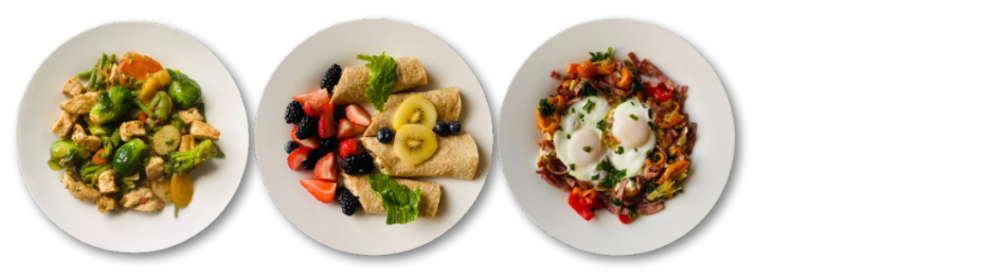
Box of Good brings seasonal fresh foods that include greens, fruits, family-size options, even Paleo wraps right to your door!

Skip the GMOs and pesticides. Choose local farm-fresh fruit, vegetables, and salad boxes delivered directly to your doorstep.

Order now and watch your family eat better, because you made the smart call.

~ The Box of Good Team​

Posted on Leave a comment

Why Shopping the Grocery Store’s Outer Aisles Leads to Better Food Choices

Most of us don’t plan our grocery trips. We walk in and grab a cart, then do what we have always done. Follow the same route.

The truth is, grocery stores are designed to shape the way you shop. Fresh foods are often placed around the outside, while the center aisles are packed with boxed, shelf-stable items that are easy to grab and easy to overbuy. By starting around the outer aisles, you give yourself a better shot at filling your cart with produce, dairy, meat, and other foods that are closer to their natural state.

The First Place We Learned to Shop Wasn’t the Best Place to Eat

Most people learned to shop by memory; we know where the cereal is and where the chips are. So that is where we go first. But grocery stores are built to make shopping easy, not healthy.

In the center aisles, food becomes something else. It turns into stock, inventory, and product.

Everything is made to last, and the farther food gets from its original form, the easier it is to forget what it once was.

Fresh Food Is Usually Waiting at the Edges

The outer aisles are where food still looks like food. You see fruits, vegetables, dairy, eggs, and meat. These items don’t need much explanation because they haven’t been heavily changed. 

An apple is still an apple.

Walk those sections and your cart starts to look different. Instead of packages and labels, you see ingredients. 

  • Spinach instead of chips. 
  • Chicken instead of frozen dinners. 
  • Yogurt instead of shelf-stable snacks.

A Simpler Shopping Habit

The best part of this approach is how easy it is to begin. You don’t have to focus on a new diet or even a bigger budget. You just need to focus on a different starting point.

Next time you go shopping, start at the perimeter and fill your cart with items in their original form first. Then move inward to find the specific items you came for.

This small change will shift more than just your route, but it will also change your decisions on what food you should buy. You will stop shopping on autopilot and start choosing what you eat with purpose.

That is the real advantage when shopping the outer aisles: you make better food choices.

By following this approach, the question of “what’s for dinner” starts to have a healthier answer.

Posted on Leave a comment

The FIFA World Cup of Food

It’s hard to ignore the pressure building around the Puget Sound region as we anticipate the start of the FIFA World Cup in June. Seattle is hosting 6 games across 3 weeks, and the city has pulled out all the stops. You know it’s a big deal when Seattle is forcing pauses on all construction projects and roadworks during the next month, requiring roads and sidewalks to be cleaned up. I have a handful of friends who have traveled all over the world to attend the World Cup, and now it’s right in our backyard. 

I have been playing soccer for over 30 years, and coaching off and on for 15 years, while hosting weekly adult drop-in soccer, playing in leagues up and down the I-5 corridor, playing under a street lamp in a parking lot, or playing on a slanted dirt field in Mexico with a ravine running down the middle. I walked down the aisle of my high school graduation with my soccer ball, wrote a love poem for my English class about my soccer ball, and brought a soccer ball to every class my senior year. Needless to say, I was very excited when it was announced that Seattle would host World Cup matches.

This particular World Cup, however, has made it plainly obvious that FIFA, the organization behind it, is less interested in providing a valuable game of soccer and a good matchday experience for fans and supporters, and far more interested in offering an “exclusive” product and fleecing as many people along the way as possible. FIFA doesn’t provide the best soccer; they provide the best marketed and most expensive soccer. They are firm believers in “more” quantity, not more quality.  And sometimes we confuse “best marketed” and “most expensive” as “best quality”. Oh, but how wrong we are! FIFA has become a conveyor belt: low-quality soccer wrapped in world-class marketing and sold back to fans increasingly priced out of the experience. Right now, the cheapest ticket for a 90-minute match between United States vs. Australia is $1,200, before parking, food, taxes and fees are added. Good luck taking your family to a game! Once the FIFA conveyor belt is in place, its purpose is simple: grow endlessly. More tournaments, more teams, more host countries, higher ticket prices, larger licensing deals, bigger sponsors. Fans and supporters increasingly feel less like participants and more like fuel for the machine.

Unfortunately, the US didn’t win the bid to host the World Cup because we were the best fit; we were the only other bid. Countries are catching on that hosting the World Cup is not as great an investment as it was originally marketed. The host country takes on all the risks, and FIFA contractually takes home all the rewards. It’s less about soccer, supporters, or kids and families seeing their home-grown players, and more about keeping the existing Machine running. Where else have we seen this pattern of institutions becoming so large that they no longer serve their original purpose? Tech? Healthcare? Finance? Agriculture?

How similar our current food system works, with many “FIFA’s” funneling and shoveling “food substances” down a complex system of distribution. Modern food is barely “grown” anymore, having been replaced with food that is “made”. There are literal and national distribution conveyor belts designed to feed more products that appear to be food, to a population that’s forgetting that food was supposed to nourish you. The food giants ask, “What else can we easily shove down this conveyor belt?”, rather than, “What would be good for the person at the end of this conveyor belt?” The FIFA World Cup of Food looks like Nestle, Unilever, Sysco, Kraft Heinz, General Mills, Tyson, JBS, Kroger, Coca-Cola, or Danone, and that conveyor belt is not stopping until you decide to get off. They are winning at a game designed to make you lose. The house always wins. The only way to win is to stop playing the game.

One of the best games of soccer that Emily and I got to attend was a non-league match between two local no-name teams on the outskirts of Manchester. We just walked up to the entrance gate and paid cash, barely any, for seats right up against the field. We could nearly touch the players warming up on the sideline and hear the mud squish under their cleats. We were surrounded by tons of families, little kids fetching stray balls during warm-ups, and entire youth soccer teams coming as a group after their own game. We didn’t pay for parking, the bus was $3.00, and there was no traffic. There were no TV crews or commercial breaks, and we didn’t have to go through security or pay for a clear plastic bag for our belongings. We didn’t have to download an app, or sign up for an account, or agree to let them siphon all the personal data from our phones in order to email us “other events you might like in the area”. That soccer game was designed for us and our enjoyment.  Real food feels the same way that little soccer match did: local, imperfect, accessible, human, and built for the people participating in it. The good news is that getting off the conveyor belt is entirely in your control and usually starts small: buying from someone you know, cooking one real meal, supporting local growers, or gathering around a table instead of a brand or a drive-thru. 

~ Tobin Fekkes

Posted on

Artificial Ingestion: Your Food and AI

It seems we can hardly go a day without hearing about some newfangled way that Artificial Intelligence is going to take all our jobs, then give us lives of all play and no work, then ultimately end humanity as we know it. Whether we like it or not, we now have new terms to keep track of like AI, GPT, LLM, Copilot, Gemini, Grok, and Claude.

When people talk about AI, what they’re really talking about are Large Language Models, or LLMs. Literally, large models of language. These models consist of a massive corpus of text (think all of Wikipedia), which are then distilled into “tokens” made up of each little variation of letters and symbols. Then count, sort, and categorize those tokens, and you’ve got yourself a Large Language Model.

How did we get here?

In 2018, a little-known company called OpenAI released a Large Language Model called GPT1 to little fanfare, then followed that with GPT2 in 2019. These first two models were largely focused on text prediction, or as Google says, “they excel at generating coherent, human-like text from prompts”. Pay attention to that wording: generating; coherent; human-like. The world really took notice during Christmas break of 2022 when OpenAI graced us with GPT3. It was no longer just some math whizzes and programmers building a text-prediction and translation tool. LLMs would soon be shoved into every nook and cranny of every piece of software you’ve ever used, whether you asked for it or not.

How does it work?

Imagine taking a batch of Wikipedia articles on the history of the United States, and cataloging how often each word appears,  how likely each word is to appear next to other words, and in which order. Next, use those probabilities as weights to predict the next word in a given sentence. Now, do that over and over and eventually you can generate a new wiki, but for, say, the history of Canada instead. What you will end up with is a document that reads like a plausible and grammatically accurate article, but with gaping holes in accuracy. However, these gaping holes will only be recognizable to those who know their Canadian history. To the untrained eye, the article will initially feel like it has substance, texture, story, meaning; as if you’re learning so much about Canada without trying very hard! How convenient! Upon closer inspection, you may be disappointed to find out that many of the facts, dates, and stats in the History of Canada are not, in fact, real. ChatGPT even states this right up front: “ChatGPT can make mistakes.” It’s a black box that gives you what it thinks you want, rather than what you need. It breaks down our language into its base parts, and then reconstructs a plausible facsimile, the mere appearance, of the real thing.

How about another example?

Let’s say you gave the entire Shakespeare catalog to an LLM, then said, “generate another play”. It’s true that our new generated play would have similar words and structure of Shakespeare, the plausible flow of a classic play, the recognizable roller coaster of emotions, and character development to boot. However, it would also lack intentionality. It would have all the literary aspects of a masterpiece, except the integrity, the substance, or the taste. It would appear delicious to the eyes and ears but would be bland to the heart and soul. A document with big words, but lacking nourishment. Masquerading as something that it’s not.  Sounds a lot like our food labels.

Why do I tell you all this?

We’ve lived this world already, but with our food system. We already know how this play ends. Our food system is designed to break down our food into its base nutrients, and then design, stack, and build back up the perfect ratio of what will look good, taste sweet, last long, transport safely, and store easily. After all that is complete, it also needs the appearance of “food”. Just look at a label for coffee creamers, protein drinks, nut butters, salad dressings, or any snacks. This system, taken to its extreme, looks like food that has very little in common with what our body needs; Instead, it is food that is very expensive, food that we have no say in, and food we don’t know or even recognize. Eventually, we will be unable to recognize the difference between what is “real” food and what is “generated” food. Worse still, we may be unwilling to care.

But our story is not done being written, and we still have a choice. We can choose not to attend that play, and instead write our own play, with more taste. Eating local food is the best way to know your food and your makers and growers, and ensure the food is actually real.           

~ Tobin Fekkes

Posted on Leave a comment

Meet Your Local Grower

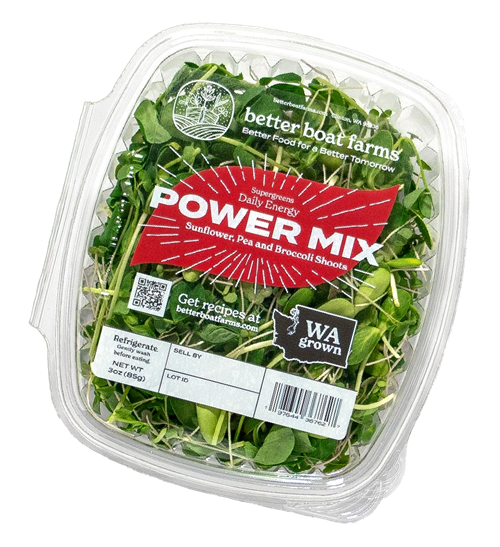
Support a local business and add a boost of flavor to your next Box of Good delivery with the tiny but mighty plant shoots from Better Boat Farms, available now!

Open your next box and find these vibrant greens, harvested from Whidbey Island’s shores. 

New to shoots? Select your first box with Better Boat Farms greens

A Grower’s Story on Whidbey Island

Every misty morning on Whidbey Island, the ocean breeze stirs the air.  Demien is our local farmer at Better Boat Farms that tends vertical rows of young plant shoots bursting with life. It’s here among the walls of fresh greens that your next meal is nurtured from organic, non-GMO seeds. Grown delicately, sown with care, clipped at perfection, and packed sustainably.

At Box of Good, we partner with local producers like Better Boat Farms to bring stories like this to your doorstep all over the Puget Sound . It isn’t just farming; it’s a quiet revolution in freshness, and we strive to connect you directly to the hands that grow your food.  

It’s the story of good food doing good—nutritious, sustainable, and shared.

Not Your Average Greens

Young plant shoots aren’t your average greens. They are highly nutritious, harvested at the start of maturity allowing for a higher amount of vitamins and minerals compared to older greens.  Delivering peak nutrition in every crisp bite. Here’s what makes the Better Boat Farms Plant shoots unforgettable:

  • A daily staple for health, adding tender flavor and nutrients to your every day meals.
  • Grown with sustainable practices and lush, organic compost .
  • Bright, slightly sweet notes that elevate any dish.
  • Boost salads, bowls, sandwiches effortlessly. 
  • 24–48 hours from harvest to your Box.
  • Locally grown on Whidbey Island!

Pair shoots with other Box of Good locals: raw honey, rolled oatscustomize here.

Healthy Food Everyday 

Delivered fresh, your young plant shoots will stay vibrant all week and are preservative free. Allowing you to turn ordinary meals into health inspired dishes.​

  • Salads that have peppery zing.
  • Sandwiches layered with garden crunch.
  • Grain bowls topped with color.
  • Eggs or soups finished with flair.

One box fuels a busy family’s plant-powered week. Ready to bring this story home? Customize your first Box of Good—your farmer’s waiting.

Roots That Reach Us All

There is a quiet satisfaction in knowing where your food comes from. Knowing the hands that harvested it and how your weekly box of good choices sends ripples among the community.

As you choose to support local farmers such as Better Boat Farms, you are helping sustain more than just crops. You are helping sustain courage— the courage it takes to run a small farm, to nurture something from seed, to invest in a place and its people. Your support allows our local ecosystem to flourish and for the community to show up for each other.

And that’s something truly worth tending.

Related Box of Good Reads

Posted on Leave a comment

What Your Produce Dollar Really Supports

Why choose local when it comes to the increasing options for produce delivery? 

The marketing has been loud from some national mega companies, encouraging consumers to purchase produce that is ugly or imperfect in order to address our country’s food waste epidemic. However, the source of our country’s food waste stems from our broken food system and overproduction. We already have a system set up to use blemished products. It goes to our food banks and is used for frozen goods, canned goods, pet foods, and every type of processed food you can imagine. Unfortunately, the feel-good messaging from the venture capital-backed ugly produce movement will leave in its wake many local farms and small businesses. 

We’d like to encourage you to consider the long-term cost benefit of choosing to support local farms/businesses, the environmental impact, and benevolent impact it has in our own communities. Consider the Box of Good. 

Because of our passion to keep local farmland viable, the platform we’ve been given in our business, community involvement, and countless volunteer hours, over the years we have been able to play a pivotal role in impacting future generations, through farmland preservation initiatives, right in our own Stillaguamish and Snohomish Valleys. (Ask us about this if you’d like to know more!) 

The number of for-profit family farms is shrinking at an alarming rate! We need local farms. In the PNW consumer production farming in the winter is nearly impossible, however, the home delivery business model makes it possible for us to farm in the spring, summer, and fall and then source in the winter. This model keeps local farmland in production, which helps maintain future food security. 

In addition to farming in this community, we are honored to partner with our customers to help meet the needs of those experiencing financial hardship. Before we started donating to our local food bank, 23 years ago, they told us that they only had canned goods for their customers, and a few, barely edible, produce items. Our imperfect produce goes to the food bank twice a week, and we also have customers who donate delivery boxes. We do give some trimmings to local animal farmers and we also compost in order to provide additional soil nutrients for next year’s crops! NOTHING goes to waste! And, last year alone, we were able to donate over $32,000 worth of high-quality organic produce to 12 local food banks, with the help of our customers! 

Included in the Box of Good is our weekly newsletter including information about our own farm, farming and land use issues, PNW agriculture, understanding our government food policies, nutrition, the how and why of healthy eating, inspiration for healthy living, recipes and tips for preparing your produce.  We love sharing our passion for farming and health! 

Our produce is always certified organic because that’s what we believe in!  When ordering from Klesick’s you can be assured that your produce will be fresh, carefully selected, and handled with care, both in our packing facility and in our own delivery vans, while on route to your home. Orders can be simply placed online, or our helpful office staff is available to work with you to create the perfect box for your family.  We are always happy to address any concerns or answer any questions! 

At Box of Good we offer high quality/nutrient dense home-delivered organic produce at competitive pricing!  We are a local farm and a local business with a heart for the people and the community we live in. We are honored when you choose us to supply you with not just a box of produce, but with a Box of Good! 

Posted on Leave a comment

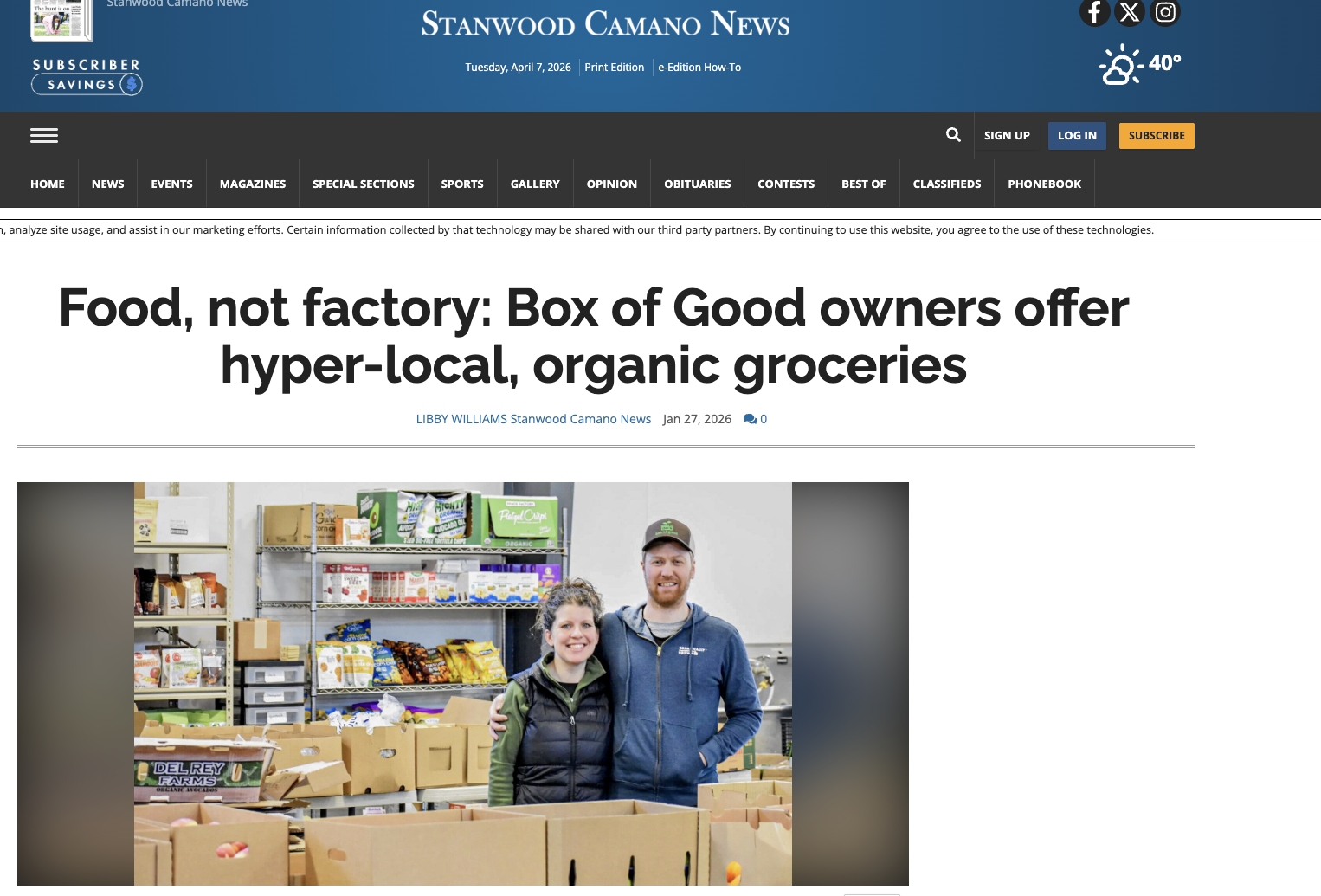
Food, not factory: Box of Good offers hyper-local, organic groceries

Tobin Fekkes is in no short supply of “soap box” moments when it comes to talking about locally sourced food and supporting farmers.

Fekkes said he doesn’t remember when the passion began, but it’s driven him to become the owner of Box of Good Foods along with his wife, Emily Fekkes.

Box of Good is a local, organic food and grocery delivery service based in Stanwood.

Tobin Fekkes got involved back in 2016, when the company was called Klesick Farms.

This past week, the couple finalized the process to become the sole owners of the business.

They said their goal is to combat a problem they’re seeing: food at the grocery stores isn’t really food anymore.

“The food that gets into the grocery store is designed for the transportation and not for your body,” Tobin Fekkes said. “And, to get food to last as long as it needs to in a freezer or a truck or on a pallet or on a warehouse shelf, you have to turn food into factory food.”

He gave the example of tomatoes that are picked green and “ripen” throughout the transportation process, so people may eat a red tomato, but it tastes green.

The couple’s solution is simple: simplify the process.

“(We’re) sourcing hyper-local stuff … and you can cut your distribution from weeks or months or years, in some cases, down to days or hours,” Tobin Fekkes said.

“We pick up carrots from Mount Vernon on a Wednesday, they were picked Wednesday morning, go in a box on Thursday, and they’re at your house on Friday morning.”

Boxes are customizable depending on a customer’s need, down to the ripeness of the bananas, so the Fekkeses can time them out for the week.

A small team of delivery drivers brings the food to homes within an hour’s radius of Stanwood.

Tobin Fekkes said a sign of quality in Box of Good’s products is their ability to go bad.

“If your stuff doesn’t go moldy, then it’s not really that organic. Organic mold is actually a good sign because your food is real food,” he said.

He said the company differs from community-supported agriculture, or CSA, because, unlike a CSA that can only provide produce during the growing season, they’re able to source produce year-round.

Emily Fekkes said this is due in part to how many new farmers and providers the company has gained throughout the years.

“It’s grown a lot, we have bread, and we have raw milk from Camano Island Creamery, and we have eggs and cheese from Samish Bay and fresh pasta from Whidbey Island,” she said.

“The idea is that it can be your whole grocery, and it’s organic and local.”

During the growing season, Box of Good works with about 40 to 50 providers, which decreases to about 25 in the winter months.

The Fekkeses said they believe in supporting local farmers, something they don’t feel happens enough through big box grocery stores.

“If we want to keep being able to have fresh food available, we have to be directly investing in it,” Emily Fekkes said.

Besides direct payment, Box of Good also provides opportunities for suppliers to reduce their environmental impact.

“Our barbecue guy, he does TV dinners, tallow, barbecue sauce, and he had everything in plastic containers with a film lid … and his barbecue sauce, the first ingredient was high fructose corn syrup,” Tobin Fekkes said.

He said he worked with the owner of Pure Smoke NW BBQ to switch to non-plastic containers, which cost less, and change the ingredients to healthier options.

The couple has also worked with dairy farmers to use glass containers that customers return to be refilled.

Tobin Fekkes said they make these efforts because it shouldn’t be on the consumer to fix the environmental shortcomings of companies.

“It’s always the consumer’s job to fix the problem of more, or it’s your job to pick a paper bag instead of a plastic bag, or it’s your job to pay eight cents for a plastic bag,” he said.

“What if we fix that problem?”

To learn more or shop, visit boxofgood.com.

Libby Williams can be reached at lwilliams@scnews.com or 360-732-1727

Posted on

Dying of Convenience

box of good dying of convenience

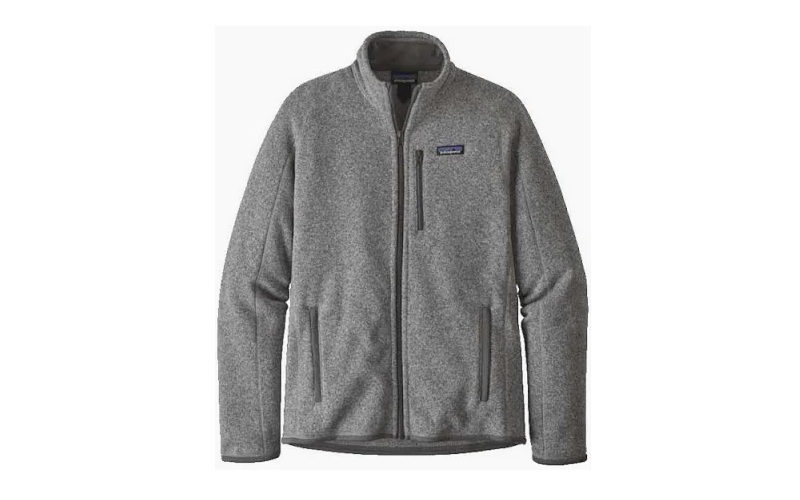
I have a favorite sweater that is head and shoulders better than any other sweater, and so much so, that I point out to Emily anytime I see another version of my sweater on a stranger out in the wild. It’s a little game I play. It’s similar to when someone in my family starts driving a new vehicle, and suddenly I start recognizing all the other people in our town that also (apparently) just started driving the same vehicle! Of course, people have been driving that vehicle for ages, long before I paid attention to their choice of transportation. But once you see it, you can’t unsee it.

There’s another area I play this game, although much more niche than sweaters or vehicles. I’m sure we’re all familiar with the popular saying, which states that the three most important things in real estate are “Location, location, location”. However, I’ve noticed a disturbing trend where this does not hold up. As I started to catalog more and more instances, a curious truth revealed itself. Just like I catalog and point out sweaters to Emily, now I catalog and point out locations that are in seemingly prime locations, but are instead either dead, or a revolving door of attempts to not be dead. Do you ever see an empty lot, or an abandoned building, or a space boarded-up, yet it’s right on a busy intersection? Or it is just next to the offramp of a highway? Despite having all the signage, all the visibility, all the access, it still cannot catch a breath of air for more than a few months before shuttering. Then a new tenant comes along, perhaps after being told by the property broker that “location is everything”, yet  a year later, it’s gone. Why is that? There are many locations off the top of my head that fall into this category, on Camano Island, Bellingham, Smokey Point, Seatac, Everett, Burlington, Stanwood, Lynnwood, etc, etc, etc. The actual city is not important, since it is not isolated to any specific legislation, ordinances, tax codes, or county laws. It’s much deeper, and more fundamental than that.

In addition to trees and mangoes, one of the things I love most in life is Bell Curves. And these abandoned storefronts and restaurants in primo locations follow a bell curve also: the bell curve of convenience. They were choked by the excess convenience. On the left side of the bell curve of convenience, it is very difficult to start a store, restaurant, or business in the backwoods, way off the beaten path. As you approach the middle of the bell curve, it is very valuable to be in a visible, convenient, accessible location where your mere presence does the talking. However, “more” is not always “better”, and increasing in convenience starts to have diminishing returns as you roll down the backside of the bell curve. A one-lane intersection with a roundabout or a four-way  stop is very accessible because there are natural breaks in traffic. When an intersection becomes so crowded that it needs a turn lane in the middle, or two lanes both ways, or a median down the center, things go downhill quickly. Now the road has become so popular, so convenient, that it has become very difficult, even dangerous, to get in and out. Perhaps you can only get in one direction and go out in only one direction? Perhaps you can only enter one way but exit through another place? Perhaps, like the grocery store near me, there’s a high chance of dying anytime you go near any of the entrances! When a location becomes too convenient, it cuts off the air supply of the nutrients it needs to survive, and it either becomes increasingly expensive to maintain, or it simply starts to wither away. The oxygen it needs, namely people, are unable to access it any longer. Pay attention to the overly convenient real estate near you. Maybe you’ll notice some that die from excess convenience.

How similar our food supply has become as we have sacrificed the essential nutrients our bodies need in exchange for convenience stores, fast food, easy bakes, quick mixes, and instant pots. Fresh, local, organic, and un-processed food is the “slow food” we need to keep the supply of nutrients our bodies need to be healthy, active, and long-lasting.

Tobin

Posted on

Would You Order Red Dye #5?

What if when we shopped for food or went to a restaurant, we ordered exactly the items that we ate. I mean exactly. You would be asking for things like red dye 5, or thiamin mononitrate. Can you imagine saying those words out loud and not only saying them, asking for someone to bring it to you to eat?  I don’t know about you, but I don’t have a clue what is really in those products.

Why is it that as a society, we care about what we read or watch and are careful to regulate what our kids ingest visually and auditorily, we are careful about the rating of movies and shows they watch, or the words that our friends say around them, guarding their ears and eyes. But seemingly we don’t put as much thought and care about what goes in and literally becomes part of their bodies or our bodies, what we absorb as part of our cells, the literal make-up of who we are?

You ARE what you eat, but if you don’t know what you’re eating, how do you know what you are? How it’s functioning (or not functioning)? You should be the expert with your own body, but you’re letting other people control who you become, on a cellular, fully integrated level. In the book, The Kitchen Counter Cooking School, when addressing the additives in various cooking projects, the author says, “If it doesn’t exist in nature, how does my body know what to do with it?” And that’s a valid question. If we started feeding our pets a bunch of synthetic, man-made products and they started acting lethargic or irritable, or off, we would do everything we could to figure out what was wrong with them. People would find out what they were being fed and would be horrified that they were being put through that. But for ourselves, for our human bodies, we say it’s okay. We compromise on our own beings, for convenience or to keep our tastebuds happy or to keep up with what society keeps pushing into us.

We need to help people to stop believing the lie that cooking is hard, that you’re incompetent and that cooking isn’t a worthwhile way to spend your time. What is more worth your time than your health? The small amount of time spent cooking and preparing nourishing food now, could very likely reduce the time taking medications, sitting in doctors’ offices, and laying in a hospital bed later. And once again, The Princess Bride is right about one more thing, “If you haven’t got your health, you haven’t got anything.”

-Emily

Posted on

Lessimalism

I was flying from Connecticut to Seattle the other day, coming home from a funeral. We left the east coast at 6pm, so we got to experience the most incredibly vibrant orange and pink sunset as we took off, then very soon darkness settled over us and I got a glimpse of the entire country over the next six hours, but only as a vast darkness, occasionally dotted with pinpricks of light. I wondered who those people were in those clusters of tiny lights. And I wondered where we were, what us was just below.

Why am I enthralled by little dots of light? Stars, lit up towns, city skyscrapers at night, lights on a tree or house at Christmas time. I know that light pollution is a significant problem and there’s lots that can and should be done to fix it, but somehow, I still love these little, tiny specks of light. Is it because in the vast abyss light is so rare that it becomes something precious? Is it so astonishing what a massive impact a tiny light can have in seemingly endless darkness? Maybe because it shows what a difference one tiny thing can make? I wonder if it has something to do with the idea of scarcity. Like when you’re given a box of specialty chocolates, you savor each one, wanting them to last. When you go to the effort to make a special pastry, you don’t just wolf them all down in one sitting, you make it a special breakfast where you can take your time. Last year in the nutrition class that Laura Conley taught, she talked about chewing your food. How important it is for your body’s digestion for you to take time, chew each bite, really taste it and think about what you are eating. The idea was not to practice scarcity, but by chewing and paying attention to what you are eating, it improves digestion, improves enjoyment, and reduces over consumption because you are aware when you are full. I think that in many senses, practicing scarcity is quite a valuable skill, for our food, resources, and time.

I’ve been thinking a lot lately about minimalism, which is probably something my mother never thought I would say, if you take my 4th grade desk into account. I tend to be a little sentimental and for quite a while that manifested as keeping pretty much every scrap of paper and item I had found or made. However, it’s encouraging to know that we all grow and sometimes leave certain tendencies behind us, and in that vein, I’ve been thinking about, and (minimally) enacting minimalism in parts of my life. I’m not on the ‘mattress on a bare floor’ side of minimalism, but there’s a lot to be said for a little. I read about someone that has taken a minimalist approach to her life and, as a result, her entire life is less stressful. She has less items to dust, less devices to keep track of and update, her floors are easier to sweep and vacuum as there are more wide-open spaces. She appreciates the items that she has, not having to care for so much stuff. And I really think that all makes a lot of sense.

Tobin and I love to travel and over the last couple of years we’ve made a goal to only take carry-on items when going on a trip, no matter the length of the trip. If you manage to travel through Great Britain for three weeks in October with only a small carry-on suitcase and a backpack, you come home feeling like you can just get rid of most of your belongings. You’ve lived perfectly delightfully without them, haven’t you? Practicing minimal tendencies literally relieves the load. It frees up effort, energy, and time. And isn’t that the one commodity that most of us always want more of? 

 Now, I am still sentimental, and I still keep things, but on the whole, I am approaching minimalism incrementally. Perhaps we’ll call my approach ‘less-imalisim’. So, maybe the lights are beautiful because they are tiny, or we instinctively know that light is warmth and we crave that, but I think that some of why they are fascinating and beautiful, is because they are scarce. We cherish them in a way we don’t the lights in our home or the incredible light of the sun. So, maybe that worn out trope is true, but I’d like to propose a modification: maybe ‘less gives more’.

-Emily